Cinnamon and Blood Sugar: What the Evidence Says Before You Try It

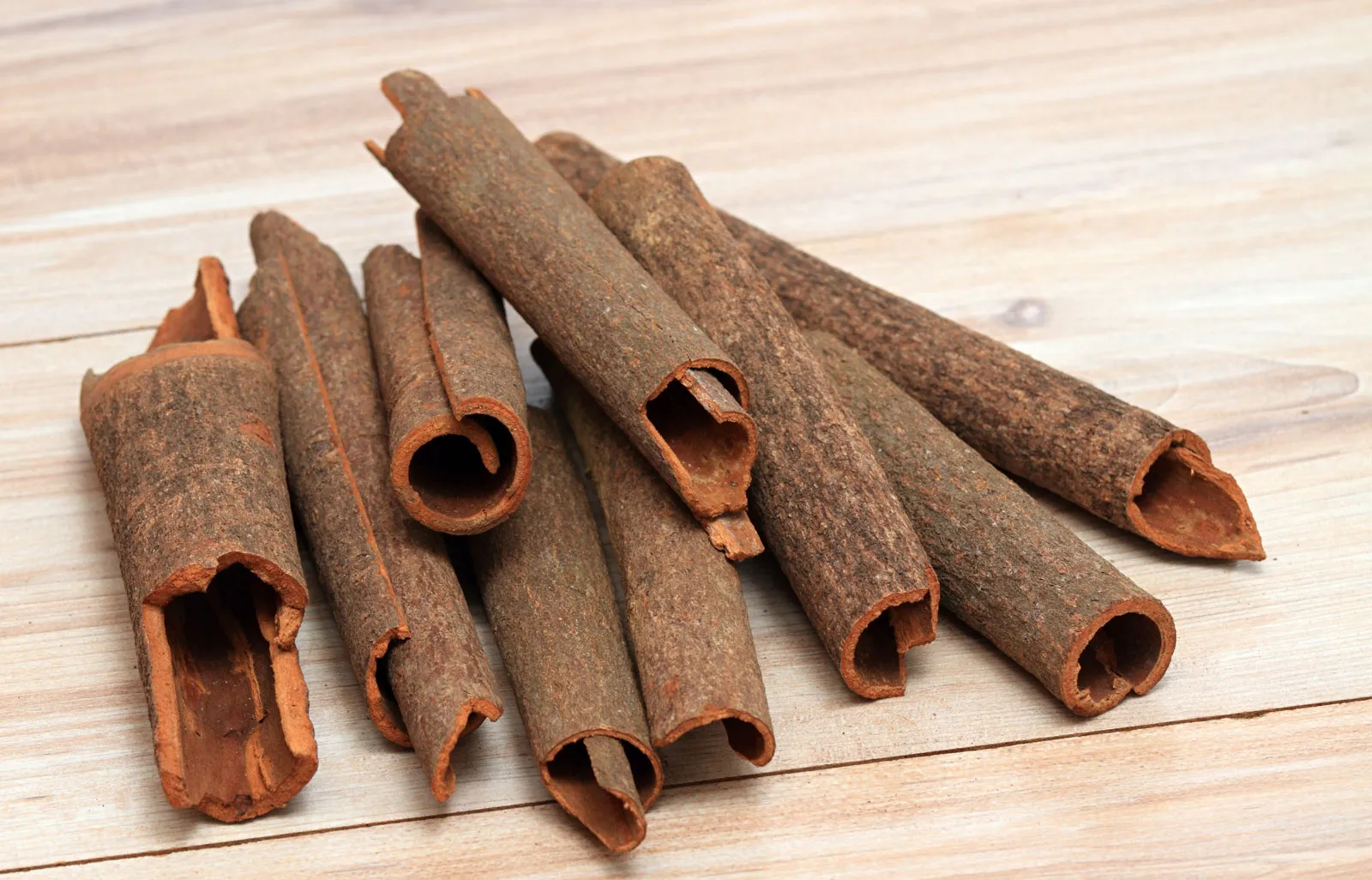
Sprinkle cinnamon over your breakfast.
Add it to your chai.
Mix it into warm milk.
For something that comes from tree bark, cinnamon has found a surprisingly comfortable place in our kitchens.
And somewhere along the way, another idea became popular:
Could cinnamon actually help control blood sugar?
Let’s take a closer look.
You may have heard that cinnamon can “lower blood sugar,” “improve insulin sensitivity,” or even help manage diabetes.
There are studies behind some of these claims.
But there is also a problem.
The studies do not all agree.
Different researchers have used different types of cinnamon, different doses, different preparations, and different groups of people. Some studies have reported improvements in blood glucose. Others have found little or no meaningful effect.
So before turning your kitchen spice into a daily supplement, it is worth asking a much simpler question:
What does the evidence actually tell us?
First, Why Would Cinnamon Have Anything to Do With Blood Sugar?
Blood sugar, or blood glucose, is the main sugar circulating in your blood.
After you eat, carbohydrates are broken down into glucose. Your body then uses insulin to help move glucose from the bloodstream into cells, where it can be used for energy.
In type 2 diabetes, the body becomes less responsive to insulin and, over time, may also produce less of it.
This is where cinnamon enters the conversation.
Scientists have been interested in cinnamon because it contains numerous compounds that may have biological effects. Laboratory and experimental studies have investigated whether some of these compounds could influence processes involved in glucose metabolism and insulin signalling.
Why this distinction matters
There is an important step between “this compound can affect a biological pathway” and “eating cinnamon improves blood sugar in people.”
That step is human clinical research.
And that is where the story becomes much more complicated.
What Have Studies Actually Found?
Quite a few studies have investigated cinnamon and blood sugar.
Some have reported reductions in fasting blood glucose among people with type 2 diabetes or prediabetes.
For example, a 2019 review of 16 studies involving 1,098 participants found that cinnamon supplementation was associated with reductions in fasting blood glucose and insulin resistance.
But there is an important qualification.
The evidence base had important limitations. The studies differed in the amount of cinnamon used, how long participants took it, the type of cinnamon used, and the characteristics of the participants.
Other reviews have reached different conclusions.
The National Center for Complementary and Integrative Health (NCCIH), part of the U.S. National Institutes of Health, currently describes the evidence as uncertain and says higher-quality research is needed to determine whether cinnamon supplementation is genuinely useful for diabetes.
What the evidence suggests
There are signals of a possible benefit, but not enough consistent evidence to treat cinnamon as an established blood-sugar treatment.
That distinction is easy to miss online.
Fasting Blood Sugar Isn’t the Whole Story
This is one of the most important things to understand.
When someone says a supplement “lowers blood sugar,” you need to ask: Which measurement?
One commonly used measurement is fasting blood glucose. It tells us how much glucose is in the blood after a period without eating.
Another important measurement is HbA1c.
HbA1c gives an estimate of average blood glucose over roughly the previous two to three months.
And cinnamon’s results can look different depending on which measurement researchers examine.
Some reviews have reported reductions in fasting glucose without finding a clear improvement in HbA1c.
Why that matters: A small change in one blood measurement does not necessarily translate into meaningful long-term improvement in diabetes management.
It is one reason researchers are careful about making big conclusions from individual studies.
So, Does Cinnamon Lower Blood Sugar?
The most honest answer is:
Possibly, but we do not have strong enough evidence to say that cinnamon reliably lowers blood sugar in people with diabetes.
That may sound less exciting than the claims you see online.
It is also much closer to what the evidence supports.
NCCIH notes that some studies suggest cinnamon might help with blood sugar control, but differences between studies in participants, formulations, doses, and study design prevent a clear conclusion.
The American Diabetes Association’s 2026 Standards of Care specifically state that herbs and spices such as cinnamon are not recommended for glycemic benefits.
That does not mean cinnamon is useless.
It means cinnamon has not earned the status of a proven treatment for controlling diabetes.
Those are two very different statements.
Why Do Different Studies Produce Different Results?
Imagine giving ten people cinnamon.
Now imagine giving another ten people a different preparation of cinnamon.
Perhaps one group receives a particular extract.
Another receives ground cinnamon.
Another receives a smaller dose.
And perhaps the studies run for different lengths of time.
You can already see the problem.
“Cinnamon” is not necessarily one identical intervention.
There are different species and preparations, and researchers have not always clearly identified which type or part of the plant was used.
NCCIH specifically highlights this as one of the reasons cinnamon research is difficult to interpret.
This is particularly relevant because Ceylon cinnamon and cassia cinnamon are not chemically identical.
Cassia vs Ceylon Cinnamon: Why the Difference Matters
If you have ever seen cinnamon labelled Ceylon cinnamon, you may have wondered whether it is simply a fancy name for ordinary cinnamon.
Not quite.
Ceylon cinnamon generally refers to Cinnamomum verum, while cassia cinnamon refers to several related species commonly sold as cassia.
One important difference is their coumarin content.
Coumarin is a naturally occurring compound that can be present in cinnamon, particularly cassia cinnamon.
Why should you care?
Consuming large amounts of coumarin over time can be a concern for the liver in susceptible people.
NCCIH notes that cassia cinnamon can contain varying amounts of coumarin and that large amounts may be problematic, particularly for people with liver disease.
This is another reason why the idea of simply taking large spoonfuls of cinnamon every day deserves some caution.
More cinnamon does not automatically mean more benefit.
What About Cinnamon in Your Food?
This is where things become much less complicated.
Using cinnamon as a spice in normal cooking is very different from taking concentrated cinnamon supplements.
A little cinnamon in your breakfast, chai, dessert, or cooking is primarily a culinary choice.
And cinnamon has one particularly useful quality in the kitchen:
It adds a lot of flavour without requiring much sugar.
Think about oatmeal, for example.
Cinnamon can make something taste sweeter and warmer even though cinnamon itself does not provide the sweetness of sugar.
That does not make cinnamon a blood-sugar treatment.
But it can be part of a sensible eating pattern.
And sometimes that is a more useful way to think about spices.
Not as medicines hiding in your kitchen cabinet, but as ingredients that can make nutritious foods more enjoyable.
What If You Have Diabetes?
This is where the distinction between food and supplement becomes especially important.
If you have diabetes, cinnamon should not be used to replace prescribed medication, glucose monitoring, dietary guidance, or other parts of your treatment plan.
The American Diabetes Association’s current standards do not recommend cinnamon or other herbal and spice supplements for glycemic benefits.
There is also another reason to be careful.
NCCIH notes that herbal supplements can potentially interact with conventional diabetes medicines and recommends that people taking diabetes medication tell their healthcare providers about supplements they are using.
So if you are considering concentrated cinnamon supplements rather than simply using cinnamon as a food, it is worth discussing that decision with your healthcare professional.
What Cinnamon Can, and Cannot Be Said to Do
What we can reasonably say:
- Cinnamon contains biologically active compounds.
- Researchers have studied cinnamon extensively in relation to blood glucose.
- Some studies have reported improvements in fasting blood glucose.
- Evidence across studies is inconsistent.
- The effects of different cinnamon species and preparations may differ.
- More high-quality research is needed.
What we should not say:
- Cinnamon cures diabetes.
- Cinnamon can replace diabetes medication.
- Everyone with high blood sugar should take cinnamon.
- More cinnamon necessarily produces greater benefits.
- Cinnamon is proven to prevent diabetes.
The difference between these two lists is essentially the difference between research-informed nutrition and internet health folklore.
Is Cinnamon Still Worth Eating?
Absolutely, if you enjoy it.
Cinnamon is an old and fascinating spice with a long history in food and traditional practices.
You do not need to believe it is a miracle treatment to appreciate it.
- Add it to foods you already enjoy.
- Use it to bring warmth and flavour to meals.
- Keep its culinary role separate from the role of medical treatment.
Just avoid turning a useful culinary ingredient into a substitute for medical treatment.
And if you are thinking about concentrated supplements, remember that the research is still unsettled and the type, dose, and duration matter.
Frequently Asked Questions
1. Can cinnamon lower blood sugar?
Some studies suggest cinnamon supplementation may reduce fasting blood glucose, but the overall evidence is inconsistent. It has not been established as a reliable treatment for diabetes.
2. Should people with diabetes take cinnamon supplements?
Cinnamon supplements are not recommended as a treatment for improving blood sugar. The American Diabetes Association’s 2026 Standards of Care do not recommend herbs or spices such as cinnamon for glycemic benefits.
3. Is cinnamon safe to eat every day?
Cinnamon used in normal culinary quantities is generally considered safe for most people. Concerns become more relevant with larger or concentrated amounts, particularly because cassia cinnamon can contain coumarin.
4. What is the difference between Ceylon and cassia cinnamon?
They come from different cinnamon species and can differ in their chemical composition. Cassia cinnamon generally contains more coumarin, which is relevant when large quantities are consumed.
5. Can cinnamon replace diabetes medicine?
No. There is no reliable evidence that cinnamon can replace prescribed diabetes medication.
6. Does cinnamon prevent diabetes?
Current evidence does not establish cinnamon as a reliable method of preventing diabetes. Maintaining a healthy eating pattern, physical activity, weight management where appropriate, and following medical guidance are much better-established approaches.
The Takeaway: The Interesting Part Isn’t That Cinnamon Might Work
It is tempting to look at a spice like cinnamon and ask:
“Does it work?”
But science often gives us a more interesting question:
“Under what conditions, in which people, in what form, and to what extent might it work?”
That is the difference between a promising study and a proven treatment.
Cinnamon may have biological effects worth studying. Some clinical research has found modest improvements in certain blood-sugar measurements. But other evidence remains uncertain, and major diabetes guidelines do not recommend cinnamon supplements for glycemic control.
So keep the cinnamon.
Keep enjoying it in your food.
Just don’t ask a teaspoon of spice to do the job of an entire diabetes treatment plan.
Sometimes the most responsible thing we can say about a traditional ingredient isn’t that it works—or that it doesn’t. It’s that the science is still figuring it out.
And honestly, that can be much more interesting.
References & Further Reading
- National Center for Complementary and Integrative Health (NCCIH). Cinnamon: Usefulness and Safety.
- NCCIH. Diabetes and Dietary Supplements: What You Need To Know.
- American Diabetes Association. Standards of Care in Diabetes—2026: Facilitating Positive Health Behaviors and Well-being to Improve Health Outcomes.
- NCCIH. Type 2 Diabetes and Dietary Supplements: What the Science Says.
Disclaimer: This article is for educational purposes only and is not medical advice. Cinnamon should not be used to replace prescribed medication or professional treatment for diabetes. If you have diabetes, prediabetes, liver disease, or take medication regularly, consult an appropriate healthcare professional before using concentrated herbal supplements.
The